Budget-Friendly Deck Construction Services: Boost Your Home's Value
Cost-effective deck building solutions provide a pragmatic solution for homeowners aiming to increase their home's worth. A professionally built deck not only enhances outdoor aesthetics but can also appeal to future buyers. By opting for affordable materials and qualified builders, homeowners can establish an appealing outdoor environment. Yet, being aware of the nuances of deck design and components is important. Which elements should homeowners evaluate to ensure a valuable investment?
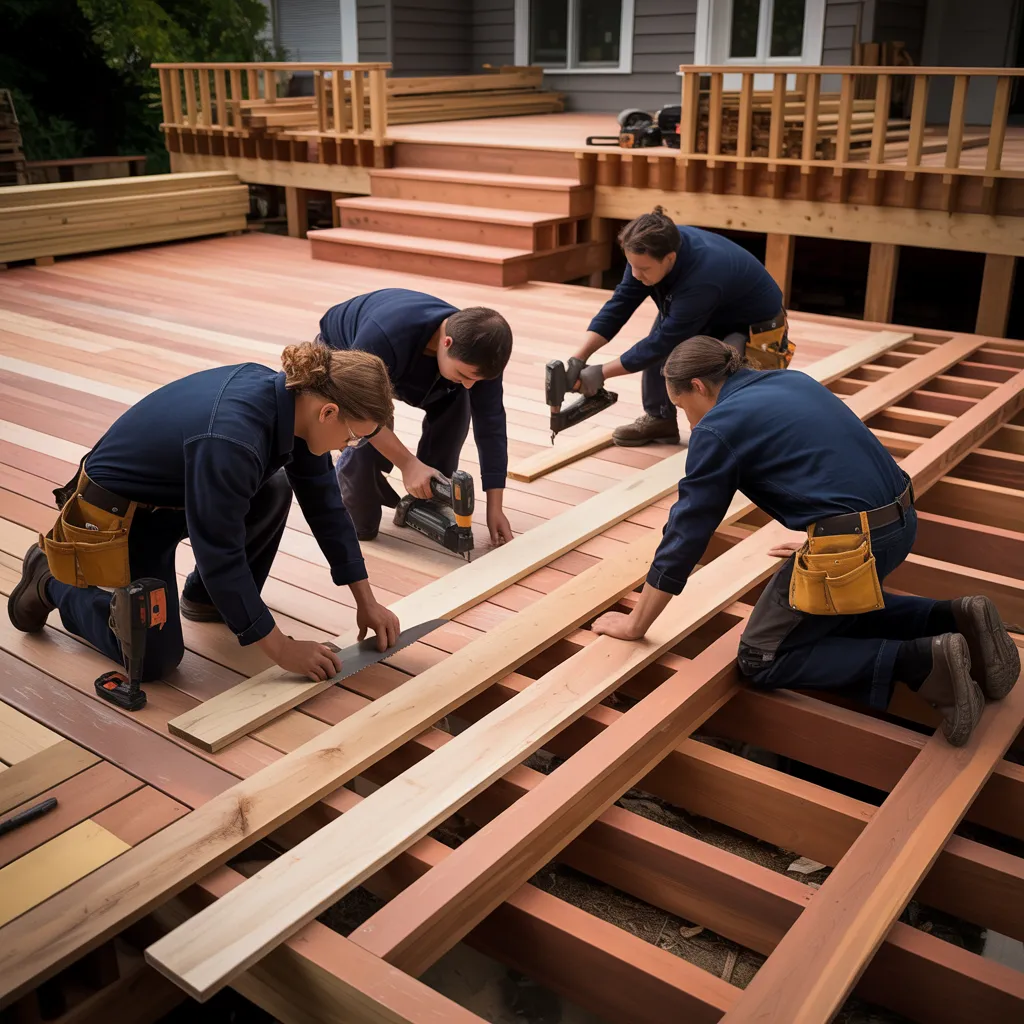
Key Reasons to Invest in Budget-Friendly Deck Building for Your Home
Putting money into cost-effective deck construction can significantly improve a home's value and appeal, especially when homeowners appreciate the enduring rewards. One significant reason to contemplate this investment is the increased outdoor living space it provides. A well-designed deck acts as a natural extension of your living space, offering a versatile area for unwinding, hosting guests, or outdoor meals. Moreover, decks can support a healthier way of life by encouraging outdoor activities.
Moreover, cost-effective deck construction can lead to higher resale values. A well-constructed deck frequently draws in potential buyers, making homes more attractive on the market. Durability and low maintenance costs associated with high-grade materials contribute to the deck's practicality and appeal. Finally, the aesthetic enhancement that a deck brings can create a welcoming environment, encouraging relaxation and pleasure. Property owners who thoughtfully invest in deck installation are positioned to enjoy both short-term and long-term rewards, improving their quality of life.
How a Deck Boosts Your Home's Curb Appeal
An elegantly designed deck acts as a stunning focal point that considerably enhances a home's curb appeal. Its existence reshapes outdoor spaces, inviting potential buyers and visitors to envision leisurely gatherings or peaceful nights. A expertly crafted deck enhances the home's architecture, forming a harmonious aesthetic that improves overall aesthetics.
Moreover, the materials and finishes incorporated can showcase a home owner's personal style, enhancing curb appeal. Beautiful landscaping paired with a deck can create a seamless outdoor space, accentuating the property.
In communities where properties often resemble one another, a distinctive deck can make a property stand out, highlighting personal style and careful craftsmanship. This enhancement not only appeals to the eye but also signifies thoughtful investment in the home, making it more appealing in today's demanding real estate landscape. In the end, a deck functions as both a practical area and a visual enhancement, significantly elevating curb appeal.
Types of Deck Materials and Associated Costs
When evaluating deck construction materials, property owners commonly assess the merits of wood and composite alternatives. Both materials provide distinct benefits and differing price points that can considerably influence overall project budgets. Analyzing these factors assists in reaching well-informed choices aligned with personal learn the facts preferences and budget limitations.
Wood Decking Options
Wood decking options present homeowners with a variety of choices that accommodate both visual preferences and financial limitations. Popular materials include pressure-treated pine, recognized for its cost-effectiveness and durability, making it a popular option for cost-sensitive undertakings. Cedar and redwood offer a more authentic aesthetic and protection against deterioration, although they come at a higher cost. Premium tropical woods, like ipe and mahogany, offer outstanding longevity and visual appeal but can greatly increase overall expenses. Moreover, maintenance factors, such as applying stain and sealant, may affect long-term expenses. At its core, picking the ideal wood decking entails weighing upfront costs against expected lifespan and aesthetic value, allowing homeowners to maximize the value of their investment.
Composite Material Benefits
Although many homeowners prefer conventional wood choices, composite materials have become increasingly popular due to their many advantages. These products, commonly composed of a blend of reclaimed plastics and wood fiber materials, offer superior durability and protection against weathering, pests, and rot. This longevity minimizes the need for constant repairs and replacements, making them a smart solution for busy homeowners. Furthermore, composite decking needs far less maintenance than wood, removing the requirement for regular staining or sealing. With a variety of colors and textures available, composite materials can mimic the appearance of wood while offering a more cohesive aesthetic. All things considered, these benefits make composite decking a compelling option for those seeking to improve their outdoor living areas without sacrificing quality or aesthetics.
Comparative Cost Analysis
Knowing the expenses linked to various deck materials is crucial for homeowners considering a deck installation. A range of materials feature varying price points, impacting overall project costs. Pressure-treated wood generally ranges from $15 to $25 per square foot, establishing it as a widely used and budget-friendly option. In contrast, premium hardwoods, such as teak or mahogany, can range from $30 to $60 per square foot, appealing to those seeking durability and aesthetics. Composite materials, despite a steeper initial price of $20 to $40 per square foot, deliver extended lifespan with reduced maintenance requirements, potentially lowering overall long-term spending. At the end of the day, picking the ideal material means finding a balance between initial costs and future upkeep requirements, guaranteeing the investment matches the homeowner's budget and intended deck use.
Important Design Characteristics for Your Ideal Deck
When thinking about the design of an ideal deck, material selection is essential for both appearance and lasting quality. Moreover, the design and purpose must complement the desired function, whether for entertaining, relaxation, or gardening. Together, these elements create a unified exterior area that elevates the living space.
Material Selection Considerations
Selecting the right materials for a deck is vital to reaching both usability and aesthetic appeal. Homebuilders are presented with numerous options, including wood, composite, and PVC materials. Genuine wood provides a traditional look and can be treated for longevity, but necessitates regular maintenance. Composite decking deliver durability and resistance to weather elements, making them minimal in upkeep while replicating the aesthetic of wood. PVC presents an additional choice, recognized for its durability against fading and staining, but could lack the natural warmth of real wood. Additionally, considerations such as local climate, budget constraints, and intended usage play significant roles in selecting the appropriate material. By thoroughly assessing these factors, property owners can guarantee their deck fulfills both practical and visual needs, improving their outdoor area successfully.
Structure and Performance
Once you have selected the right building materials, the subsequent step requires considering the design and usability of the deck. A well-planned layout optimizes space while maintaining smooth flow and easy access. Property owners should consider the deck's main function—whether for hosting guests, unwinding, or growing plants—and design accordingly. Additions including built-in seating, planters, or privacy screens may improve functionality and visual charm. Moreover, aligning the design with the home's structural style and outdoor environment is key to achieving a cohesive look. Proper zoning, such as designated areas for dining or lounging, can improve the overall experience. Considering factors like sun exposure and wind direction will further enhance the comfort of the outdoor space. In the end, a well-considered design and practical layout boost both livability and property value.
How to Discover Reputable Deck Builders Around You
Finding reliable deck builders in one's area can often feel like a daunting endeavor. To start the process, homeowners should request suggestions from friends, family, or neighbors who have recently completed similar projects. Web-based reviews and scores on platforms like Google or Yelp can offer helpful information about local builders' professional standing.
Moreover, one must verify credentials. Construction professionals need to be accredited and insured, ensuring protection against potential liabilities. Seeking out a portfolio of prior work helps determine craftsmanship and style compatibility.
Homeowners are also advised to collect multiple quotes to evaluate pricing and services offered. Transparent communication is key; builders should be willing to answer questions and offer comprehensive project schedules. Lastly, looking into warranties or guarantees can offer additional peace of mind. By taking these measures, homeowners can successfully identify a reliable deck builder who satisfies their requirements and standards.
How to Budget for Affordable Deck Building
Creating a budget for cost-effective deck building demands thorough planning and evaluation of multiple factors. Homeowners should start by determining their overall budget, covering not just the cost of materials but also labor, permits, and any unexpected costs that may arise. Investigating local material prices for options such as wood, composite, or vinyl can assist in making well-informed decisions that align with financial limitations.
Moreover, it's vital to focus on the features and design aspects. A simple design is often more affordable than intricate features. Homebuyers should also look into special offers or seasonal promotions from suppliers, which can result in considerable savings.
In the end, collecting various quotes from trusted decking professionals can help determine market rates and assist in choosing the right contractor. Through assessing all these factors, homeowners can build a well-planned budget that enables a superior deck while controlling overall expenses.
The Impact of Adding a Deck on Real Estate Value
Installing a deck can greatly enhance a property's real estate value, often yielding a return on investment that interests potential buyers. Property specialists often observe that homes with decks are more likely to sell quickly and at greater values compared to comparable homes lacking outdoor areas. A professionally built deck provides additional living space, allowing homeowners to enjoy outdoor entertaining, cookouts, or peaceful evenings outside, which can be notably desirable in neighborhoods centered around family living.
Moreover, decks are able to serve as a focal point in yard planning, converting an ordinary space into a desirable retreat. Homebuyers often consider a deck as a sign of a well-maintained home, additionally boosting its market appeal. Local tastes also make a difference; in warmer climates, a deck can be a primary draw. All things considered, investing in a deck can not only enhance a house's overall appearance but also meaningfully increase its general resale value.
Essential Tips for Maintaining and Preserving Your Deck's Value
Maintaining a deck is vital for preserving its value and guaranteeing longevity. Regular inspections should be conducted to spot any evidence of damage, such as splintering wood or loose boards. Scrubbing the deck at least twice yearly helps clear away debris and mildew, which can result in damage. Utilizing a mild cleaning solution and a soft brush or power washer ensures a complete clean without harming the surface.
Adding a weatherproof sealant periodically is essential to defend against moisture and UV damage, thus extending the deck's life. It is equally important to ensure gutters remain unobstructed to avoid water buildup and to guarantee adequate drainage.
When it comes to wooden decks, periodic sanding could be needed to remove rough patches and maintain an appealing finish. Additionally, making sure that furniture and planters are repositioned regularly can stop uneven wear and surface impressions, effectively maintaining the deck's appearance and overall functionality.

Popular Questions We Receive
What Building Permits Are Necessary for a Deck?
Erecting a deck usually demands a construction permit, zoning authorization, and potentially supplementary permits for electrical or plumbing work. Local regulations vary, so checking with local authorities is necessary to guarantee compliance with all requirements.
What Is the Average Time for a Deck Installation?
A typical deck installation usually takes anywhere from one to three weeks, based on the size, complexity, and weather conditions involved. Adequate planning and proper permitting can affect the overall timeline, ensuring a smoother construction process overall.
Can I Build a Deck DIY or Hire a Professional?
Constructing a deck independently as a DIY endeavor is possible, which brings a rewarding sense of satisfaction, or hire a professional for expertise and efficiency. Either approach is influenced by individual skills, budget, and desired outcome.
What Are Common Deck Design Trends This Year?
This year, leading deck design styles encompass multi-level structures, built-in seating, eco-friendly materials, and vibrant color schemes. Furthermore, outdoor illumination and intelligent technology integrations are becoming increasingly popular, boosting both functionality and aesthetic value for property owners.
Do Eco-Friendly Materials Exist for Deck Building?
Absolutely, there are a number of environmentally friendly choices available for building decks, including recycled wood, bamboo lumber, and composite materials made from recycled plastics and wood fibers. These materials reduce environmental impact while providing aesthetic appeal and long-term durability.